Discover Your Interior Design Style: A Guide to Finding the Perfect Look for Your Home
A practical guide to identifying your interior design style through lifestyle, architecture, repeated preferences, and the emotional experience you want your home to create.
Your interior design style is not a label you have to fit. It is a pattern of preferences that helps you make consistent decisions. The most useful style direction reflects how you live, what you repeatedly respond to, and the atmosphere you want your home to create.
Start With How You Want the Room to Feel
Before choosing furniture or paint, define the emotional result. Should the room feel calm, energetic, intimate, polished, collected, relaxed, dramatic, or bright? A clear emotional direction is more useful than selecting a trend name too early.
Study What You Save Repeatedly
Review saved rooms, travel photos, restaurants, hotels, clothing, art, and objects you already own. Look for recurring patterns:
- Warm or cool color palettes
- Curved or rectilinear furniture
- Minimal or layered rooms
- Polished or natural materials
- Symmetrical or relaxed arrangements
- Quiet neutrals or expressive pattern
Repeated choices reveal your actual preferences more reliably than a single inspiration image.
Understand Common Design Languages
Traditional
Traditional interiors often use symmetry, tailored upholstery, classic wood furniture, architectural detailing, and established patterns.
Contemporary
Contemporary rooms emphasize current forms, clean lines, open space, edited color, and materials such as glass, metal, stone, and smooth wood.
Transitional
Transitional design combines classic structure with cleaner silhouettes and a more relaxed level of ornament. It is common in Charlotte homes because it adapts well to both traditional architecture and modern lifestyles.
Modern Organic
This approach pairs streamlined forms with warm woods, natural stone, woven fibers, soft curves, and restrained color.
Eclectic or Collected
Eclectic interiors combine periods, cultures, patterns, and personal objects. Successful eclectic design still needs a consistent palette, scale, or visual rhythm.
Caribbean-Inspired
Caribbean influence can appear through expressive color, natural fibers, warm woods, handcrafted elements, botanical references, hospitality, and an indoor-outdoor sensibility.
Let Architecture Guide the Conversation
Your home does not dictate one style, but its architecture creates context. Ceiling height, windows, molding, flooring, fireplace details, and room proportions should inform the final mix. A strong design can create contrast, but it should do so intentionally.
Test Your Style Against Real Life
A beautiful room must also support pets, children, entertaining, work, storage, accessibility, and maintenance. Evaluate every inspiration image against your actual routines and investment level.
Create a Simple Style Statement
Combine three elements:
- The feeling you want
- The visual language you prefer
- The practical requirements the room must meet
Example: “A warm, collected transitional home with Caribbean color, durable materials, and comfortable spaces for family gatherings.”
Frequently Asked Questions
Can I combine multiple interior design styles?
Yes. Most authentic homes combine influences. Use a consistent palette, material story, proportion, and level of formality to keep the mix cohesive.
What if my partner and I prefer different styles?
Identify shared priorities first, then assign each preference to specific materials, rooms, or focal points. A designer can create a balanced visual hierarchy.
Should I follow current trends?
Use trends selectively when they support your existing preferences. Major investments should be based on function, quality, and long-term compatibility.
Turn Inspiration Into a Livable Plan
Stacy Nicole Interiors helps Charlotte-area clients translate personal taste into a cohesive home through Residential Interior Design, space planning, selections, procurement, and installation.
Request a design consultation to define your style and create a practical plan for your space.

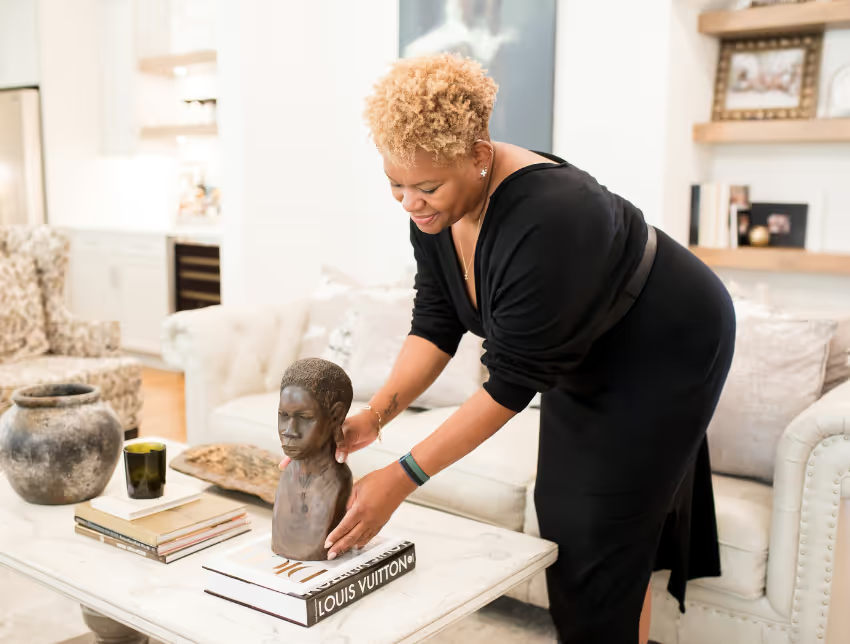
Brand photography by Stanley Desbas Photography. Thank you for helping tell the story behind Stacy Nicole Interiors.
Nicole S. Ingram, ASID Allied is the creative force behind Stacy Nicole Interiors and the author of TriniGal Chronicles. A designer, lifestyle curator, and beauty enthusiast, Nicole shares soulful inspiration through her signature blend of elevated interiors, personal style, and island-rooted charm.
Welcome to TriniGal Chronicles — where I serve up daily doses of interior design, lifestyle, and beauty to help you live a soulful, stylish life. Sprinkled in, you’ll find cocktail recipes, my favorite meals to cook, and maybe a design find or two. Stay a while, and don’t forget to say hello in the comments!
Meet Nicole