How to Design a Historic Interior Without Erasing Its Story
Historic interiors deserve more than a surface-level makeover. The best renovations protect the details that carry meaning while adding the comfort, function, and performance modern life requires.
Start with the story already there
A historic interior has a point of view before a designer arrives. Its proportions, materials, craftsmanship, and imperfections all carry information. The first step is to observe carefully rather than rushing to replace.
In a historic project, the question is not simply, “What would look new?” It is, “What deserves to remain?” That distinction creates room for a design that feels layered instead of staged.
Preserve the details with meaning
Original millwork, masonry, hardware, flooring, windows, and architectural transitions can become the foundation of the design. Preservation does not mean every element must remain untouched. It means the decisions are intentional and respectful.
When restoration is needed, match the spirit and scale of the original work. When a modern intervention is appropriate, let it be clearly considered rather than pretending to be something it is not. Contrast can be beautiful when it is disciplined.
Make modern life fit gracefully
A historic home or building still needs to support the people using it today. Thoughtful space planning, updated lighting, improved storage, refined furnishings, and carefully coordinated technology can improve daily life without competing with the architecture.
For Charlotte-area homeowners, institutional leaders, and commercial clients, the goal is a space that feels connected to its past and ready for its next chapter. That balance requires research, restraint, and a clear design concept.
Planning a historic renovation in Charlotte or the Carolinas? Begin with a design consultation so the story and the strategy can develop together.

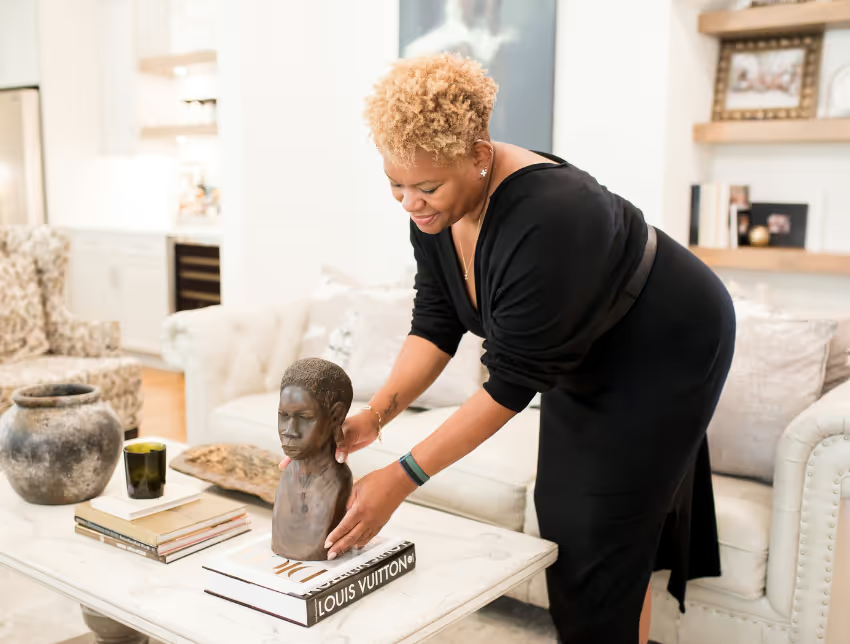
Brand photography by Stanley Desbas Photography. Thank you for helping tell the story behind Stacy Nicole Interiors.
Nicole S. Ingram, ASID Allied is the creative force behind Stacy Nicole Interiors and the author of TriniGal Chronicles. A designer, lifestyle curator, and beauty enthusiast, Nicole shares soulful inspiration through her signature blend of elevated interiors, personal style, and island-rooted charm.
Welcome to TriniGal Chronicles — where I serve up daily doses of interior design, lifestyle, and beauty to help you live a soulful, stylish life. Sprinkled in, you’ll find cocktail recipes, my favorite meals to cook, and maybe a design find or two. Stay a while, and don’t forget to say hello in the comments!
Meet Nicole